Saturday, June 4, 2016

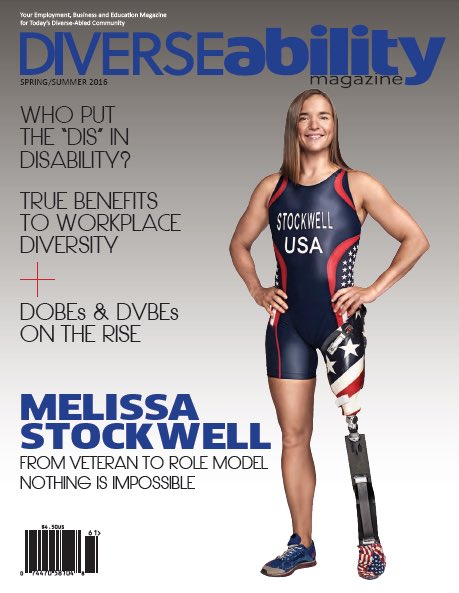
Soldier On


Soldier On 

Monday, May 16, 2016

Fathers drinking: Also responsible for fetal disorders?


This puts a new spin on responsibility...

Fathers drinking: Also responsible for fetal disorders?

Date:
February 14, 2014
Source:
Taylor & Francis
Summary:
Maternal exposure to alcohol in-utero is a known risk and cause of Fetal Alcohol Syndrome (FAS). FAS children suffer significant problems such as retarded intellect, stunted growth and nervous system abnormalities, social problems and isolation. Until now, fathers have not had a causal link to such disabilities. Ground breaking new research has been revealed which shows dads may have more accountability.
 
 
FULL STORY

The authors believe alcohol consumption affects genes in sperm which are responsible for normal fetal development.
Credit: © Dario Lo Presti / Fotolia
 
 
Maternal exposure to alcohol in-utero is a known risk and cause of Fetal Alcohol Syndrome. FAS children suffer significant problems such as retarded intellect, stunted growth and nervous system abnormalities, social problems and isolation. Until now Fathers have not had a causal link to such disabilities. Ground breaking new research has been revealed which shows Dads may have more accountability.

Published in Animal Cells and Systems, researchers studied male mice exposed to varying concentrations of alcohol and one control group exposed only to saline. After exposure the mice were mated and resulting fetuses examined. The findings revealed previously unknown and riveting evidence that paternal alcohol consumption can directly affect fetal development.

A number of fetuses sired by males exposed to alcohol suffered abnormal organ development and or brain development. Those in the saline group were normal. So, can developmental abnormalities be predetermined at fertilization? This research proves so. The authors believe alcohol consumption affects genes in sperm which are responsible for normal fetal development.

Until now fathers' lifestyle choices have not seen any repercussion on their unborn children. This ground-breaking research provides the first definitive evidence that fathers' drinking habits pre-conception can cause significant fetal abnormalities.


Story Source:
The above post is reprinted from materials provided by Taylor & Francis. Note: Materials may be edited for content and length.

Journal Reference:
  1. Hye Jeong Lee, Jae-Sung Ryu, Na Young Choi, Yo Seph Park, Yong Il Kim, Dong Wook Han, Kisung Ko, Chan Young Shin, Han Sung Hwang, Kyung-Sun Kang, Kinarm Ko. Transgenerational effects of paternal alcohol exposure in mouse offspring. Animal Cells and Systems, 2013; 17 (6): 429 DOI: 10.1080/19768354.2013.865675

Cite This Page:
Taylor & Francis. "Fathers drinking: Also responsible for fetal disorders?." ScienceDaily. ScienceDaily, 14 February 2014. .


Link: https://www.sciencedaily.com/releases/2014/02/140214075405.htm


Wednesday, May 11, 2016

Medical pot patients can grow their own weed


Medical pot patients can grow their own weed after federal court gives feds six months to regulate
|


Marijuana is weighed at a medical marijuana dispensary, in Vancouver, Wednesday, Feb. 5, 2015.
Jonathan Hayward / The Canadian PressMarijuana is weighed at a medical marijuana dispensary, in Vancouver, Wednesday, Feb. 5, 2015.
VANCOUVER — A Federal Court judge has ruled that medical marijuana patients have the right to grow their own cannabis.
THE CANADIAN PRESS/Adrian Wyld
THE CANADIAN PRESS/Adrian WyldA man lights a marijuana joint as he participates in the 4/20 protest on Parliament Hill in Ottawa, April 20, 2015.
Judge Michael Phelan struck down federal legislation introduced by the previous Conservative government that barred patients from growing their own plants and required them to buy from licensed producers.
He is suspending the decision to strike down the law for six months, allowing the federal Liberal government time to create a new medical marijuana regime.
Phelan also extended the injunction that allowed people who held licences to grow their own marijuana to continue until a further court order.
The constitutional challenge was launched by four British Columbia residents who argued that legislation introduced by the previous Conservative government violated their charter rights.
The Marijuana for Medical Purposes Regulations were introduced in 2013 and required patients to buy cannabis from licensed producers instead of growing their own.
An injunction has allowed those who already held licences to continue growing marijuana until the Federal Court decision, which is set to have national impact on medical cannabis users and the new Liberal government.
The Liberals have committed to regulating and legalizing recreational marijuana but have said little about their plans for medical marijuana since being elected.

Phelan heard the case between February and May 2015 in Vancouver’s Federal Court.
Federal government lawyers argued that the new regime ensures patients have a supply of safe medical marijuana while protecting the public from the potential ills of grow-operations in patients’ homes.
But the lead counsel for the plaintiffs, John Conroy, told court that the legislation has robbed patients of affordable access to medicine. Some people were left with no choice but to run afoul of the law, he argued, either by continuing to grow their own or by purchasing on the black market.


Dietary Guidelines for Americans


Dietary Guidelines for Americans
Karen B. DeSalvo, MD, MPH, MSc1; Richard Olson, MD, MPH1; Kellie O. Casavale, PhD, RD1
[+] Author Affiliations

JAMA. 2016;315(5):457-458. doi:10.1001/jama.2015.18396.
 
Article

References

The US Departments of Health and Human Services (DHHS) and Agriculture (USDA) have released the eighth edition (2015-2020) of the Dietary Guidelines for Americans.1 The Dietary Guidelines are an important part of a complex and multifaceted solution to promoting health and preventing diet-related chronic diseases including cardiovascular disease, type 2 diabetes, some cancers, and obesity. The Dietary Guidelines are required under the National Nutrition Monitoring and Related Research Act of 1990 and inform the development of federal food, nutrition, and health policies and programs. They serve as the evidence-based foundation for federal government nutrition education materials and are used to inform programs like Older Americans Act Nutrition Services Programs and the Supplemental Nutrition Assistance Program (SNAP) that affect millions of people each day. The Dietary Guidelines can also be adapted by health care professionals to describe and recommend healthy eating to patients. Recent studies have shown that diets that align closely with the Dietary Guidelines are associated with a significant reduction in the onset of and deaths due to diet-related chronic diseases.2,3


To update the Dietary Guidelines, as required by law, the Secretaries of the DHHS and the USDA formed an external Dietary Guidelines Advisory Committee made up of prestigious researchers and scientists in the fields of nutrition, health, and medicine. The 2015 advisory committee was charged with reviewing the 2010 Dietary Guidelines to determine topics for which new scientific evidence is likely available and to review that evidence to inform the development of the 2015-2020 edition. The committee used 4 approaches to review the available evidence: original systematic reviews; existing systematic reviews, meta-analyses, and reports by federal agencies or leading scientific organizations; data analyses; and food pattern modeling analyses. The work of the committee was submitted to the DHHS and USDA in the scientific report of the 2015 Dietary Guidelines Advisory Committee and made available for public comment. In addition to the committee report, the DHHS and USDA obtained input from federal nutrition and medical experts and comments from the public to develop the 2015-2020 Dietary Guidelines.


Although many of the recommendations have remained relatively consistent over time, the Dietary Guidelines have evolved with scientific knowledge. For example, recent research has examined the relationship between overall eating patterns and health. Consequently, eating patterns are a main focus of the 2015-2020 Dietary Guidelines. For most individuals, achieving a healthy eating pattern may require adjustments in food and beverage choices because at the population level, Americans are not following healthy eating patterns. The current guidelines focus on shifts in eating patterns to align current dietary intake with their recommendations and highlight multiple strategies across all segments of society to promote healthy eating and physical activity behaviors.


DIETARY COMPONENTS OF PUBLIC HEALTH CONCERN

The 2015-2020 Dietary Guidelines contain 5 overarching goals and 13 key recommendations (Box).

Box.
Guidelines and Supporting Key Recommendations of the 2015-2020 Dietary Guidelines for Americans
Guidelines (Abbreviated)


Follow a healthy eating pattern across the life span.


Focus on variety, nutrient density, and amount.


Limit calories from added sugars and saturated fats and reduce sodium intake.


Shift to healthier food and beverage choices.


Support healthy eating patterns for all.
Key Recommendations


Follow a healthy eating pattern that accounts for all foods and beverages within an appropriate calorie level. A healthy eating pattern includes


A variety of vegetables from all of the subgroups—dark green, red and orange, legumes (beans and peas), starchy, and other


Fruits, especially whole fruits


Grains, at least half of which are whole grains


Fat-free or low-fat dairy, including milk, yogurt, cheese, and fortified soy beverages

A variety of protein foods, including seafood, lean meats and poultry, eggs, legumes (beans and peas), and nuts, seeds, and soy products


Oils

A healthy eating pattern limits saturated fats and trans fats, added sugars, and sodium.

Key recommendations that are quantitative are provided for several components of the diet of particular public health concern that should be limited.

Consume less than 10% of calories per day from added sugars.

Consume less than 10% of calories per day from saturated fats.

Consume less than 2300 mg/d of sodium.

If alcohol is consumed, it should be consumed in moderation—up to 1 drink per day for women and up to 2 drinks per day for men—and only by adults of legal drinking age.


The Dietary Guidelines also include a key recommendation to meet the Physical Activity Guidelines for Americans.4

Below is a brief summary of guidance for calories from added sugars and saturated fats, dietary cholesterol, and sodium. Additional information can be found at http://www.health.gov/DietaryGuidelines.1


Calories From Added Sugars

When sugars are added to foods and beverages, they add calories without contributing essential nutrients. The recommendation to limit added sugars to less than 10% of calories per day is a target to help the public achieve a healthy eating pattern—meeting nutrient and food group needs through nutrient-dense food and beverage choices while staying within calorie limits. This target is also informed by national data indicating that added sugars currently account for more than 13% of total calories consumed by the US population.5


Calories From Saturated Fats and Intake of Dietary Cholesterol

Intake of saturated fats should be limited to less than 10% of calories per day. Strong and consistent evidence shows that replacing saturated fats with polyunsaturated fats is associated with a reduced risk of cardiovascular disease events and deaths. The key recommendation from the 2010 Dietary Guidelines to limit consumption of dietary cholesterol to 300 mg/d is not included in the 2015 edition because adequate evidence is not available for a quantitative limit specific to the Dietary Guidelines. However, this change does not suggest that dietary cholesterol is no longer important to consider. In general, foods that are higher in dietary cholesterol, such as butter and sausage, also tend to be higher in saturated fats. Examples of healthy eating patterns in the Dietary Guidelines limit dietary cholesterol to a range of 100 to 300 mg/d.


Sodium

The scientific consensus from expert bodies, such as the Institute of Medicine,6 the American Heart Association, and Dietary Guidelines Advisory Committees, is that the average sodium intake among Americans aged 1 year or older, currently 3440 mg/d, is too high and should be reduced. Healthy eating patterns limit sodium to less than 2300 mg/d for adults and children aged 14 years or older and to the age- and sex-appropriate Tolerable Upper Intake Levels7 of sodium for children younger than 14 years. This recommendation is based on evidence showing a linear dose-response relationship between increased sodium intake and increased blood pressure in adults. Direct evidence for the association between sodium intake and risk of cardiovascular disease in adults is not as consistent as the evidence for blood pressure.


CONCLUSIONS

Everyone has a role in supporting healthy eating patterns. Concerted efforts among health care professionals, communities, businesses and industries, organizations, governments, and other segments of society are important to support individuals and families in making dietary and physical activity choices that align with the Dietary Guidelines and work for them. Health care professionals can help individuals identify how they can modify and improve their dietary patterns and intake to align with the Dietary Guidelines. Educational materials for both professionals and consumers will be available in 2016.


ARTICLE INFORMATION

Corresponding Author: Karen B. DeSalvo, MD, MPH, MSc, Office of the Assistant Secretary for Health, US Department of Health and Human Services, 200 Independence Ave SW, Washington, DC 20201 (karen.desalvo@hhs.gov).

Published Online: January 7, 2016. doi:10.1001/jama.2015.18396.

Conflict of Interest Disclosures: All authors have completed and submitted the ICMJE Form for Disclosure of Potential Conflicts of Interest and none were reported.


REFERENCES


1
US Department of Health and Human Services; US Department of Agriculture. 2015-2020 Dietary Guidelines for Americans. 8th ed. Washington, DC: US Dept of Health and Human Services; December 2015. http://www.health.gov/DietaryGuidelines. Accessed December 16, 2015.

2
Schwingshackl L, Hoffmann G. Diet quality as assessed by the Healthy Eating Index, the Alternate Healthy Eating Index, the Dietary Approaches to Stop Hypertension score, and health outcomes: a systematic review and meta-analysis of cohort studies . J Acad Nutr Diet. 2015;115(5):780-800.e5.
PubMed | Link to Article

3
Wang DD, Li Y, Chiuve SE, Hu FB, Willett WC. Improvements in US diet helped reduce disease burden and lower premature deaths, 1999-2012; overall diet remains poor . Health Aff (Millwood). 2015;34(11):1916-1922.
PubMed | Link to Article

4
US Department of Health and Human Services. 2008 Physical Activity Guidelines for Americans. Washington, DC: US Dept of Health and Human Services; 2008. ODPHP publication U0036.

5
US Department of Health and Human Services; US Department of Agriculture. Scientific Report of the 2015 Dietary Guidelines Advisory Committee. Part D. Washington, DC: US Dept of Health and Human Services; February 2015:chap 6. http://health.gov/dietaryguidelines/2015-scientific-report. Accessed December 23, 2015.

6
Institute of Medicine. Sodium Intake in Populations: Assessment of Evidence. Washington, DC: National Academies Press; 2013.

7
Institute of Medicine. Dietary Reference Intakes for Water, Potassium, Sodium, Chloride, and Sulfate. Washington, DC: National Academies Press; 2005.


JAMA Patient Page
Dietary Guidelines for Americans
JAMA. 2016;315(5):528. doi:10.1001/jama.2016.0077.

Related Multimedia

Author Interview

Dietary Guidelines for Americans (06:28)


Articles Related By Topic
New Dietary Guidelines Place Added Sugars in the Crosshairs
JAMA. 2016;315(14):1440-1441. doi:10.1001/jama.2016.1321.

From JAMA’s Daily News Site
JAMA. 2014;311(17):1721. doi:10.1001/jama.2014.4252.


Related Collections
Guidelines
Nutrition
Public and Environmental Health


Wednesday, April 27, 2016

Mindful Awareness

UCLA Mindful Awareness Research Center

Mindfulness is making the news these days. It has been depicted in the media primarily as a tool to hone attention, to cultivate sensory awareness, and to keep us in the present moment.

Developing these tools takes effort and determination, but why is it we can sometimes be mindful without really even trying? Perhaps we were naturally mindful at points in life before we ever learned what mindfulness was. Maybe we feel naturally connected, present, and at ease in nature. Or we become mindful while talking authentically with a friend, or in the midst of music, art, or athletic activity.

Mindfulness is not only a meditation technique, but also a state of being. This state is available to anyone; it is a natural human capacity. Mindfulness practice, as a tool, is tremendously helpful to cultivate this awareness, and the state can arise at any moment. Mindfulness is also connected to a set of powerful outcomes: happiness, emotional regulation, compassion, altruism, and kindness.

We encourage you to attend an array of offerings to cultivate the moment-to-moment awareness, which is the foundation of our practice.


 Link: http://marc.ucla.edu/

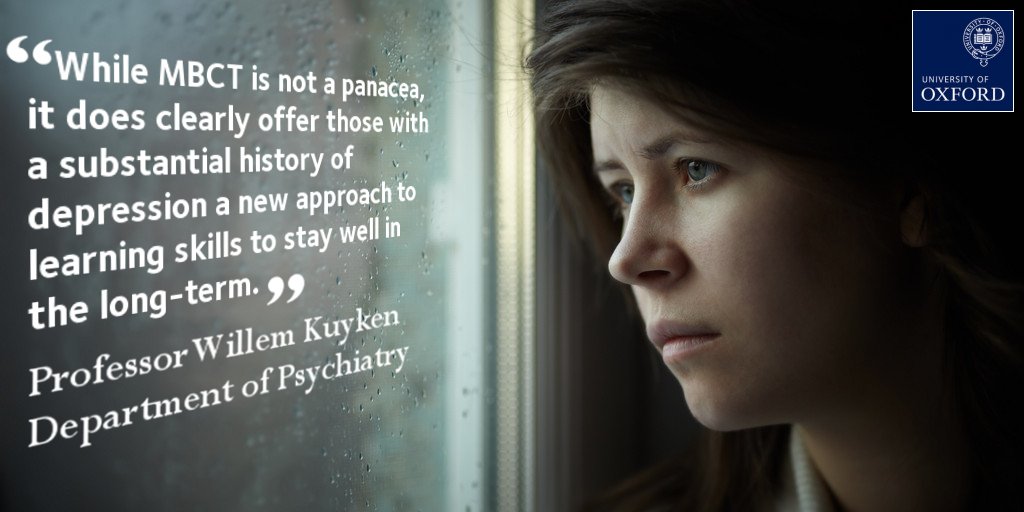
Mindfulness-based cognitive therapy can help prevent recurrence of depression.


Review finds mindfulness-based cognitive therapy can help prevent recurrence of depression.

Friday, January 15, 2016

The Science and Practise of Happiness


Uploaded on Jul 1, 2011

Is happiness a skill? Modern neuroscientific research and the wisdom of ancient contemplative traditions converge in suggesting that happiness is the product of skills that can be enhanced through training and such training exemplifies how transforming the mind can change the brain. 

Kent Berridge, Richie Davidson, and Daniel Gilbert speak at the Aspen Ideas Festival
.


A sense of purpose in life


Conclusion:

A sense of purpose in life also gives you this considerable advantage:
"People with a sense of purpose in life have a lower risk of death and cardiovascular disease."

The conclusions come from over 136,000 people who took part in 10 different studies.

Participants in the studies were mostly from the US and Japan.


The US studies asked people:
  • how useful they felt to others,
  • about their sense of purpose, and
  • the meaning they got out of life.


The Japanese studies asked people about ‘ikigai’ or whether their life was worth living.

The participants, whose average age was 67, were tracked for around 7 years.

During that time almost 20,000 died.
 
But, amongst those with a strong sense of purpose or high ‘ikigai’, the risk of death was one-fifth lower.

Despite the link between sense of purpose and health being so intuitive, scientists are not sure of the mechanism.

Sense of purpose is likely to improve health by strengthening the body against stress.

It is also likely to be linked to healthier behaviours.

Dr. Alan Rozanski, one of the study’s authors, said:
“Of note, having a strong sense of life purpose has long been postulated to be an important dimension of life, providing people with a sense of vitality motivation and resilience.
Nevertheless, the medical implications of living with a high or low sense of life purpose have only recently caught the attention of investigators.
The current findings are important because they may open up new potential interventions for helping people to promote their health and sense of well-being.”

This research on links between sense of purpose in life and longevity is getting stronger all the time:
  • “A 2009 study of 1,238 elderly people found that those with a sense of purpose lived longer.
  • A 2010 study of 900 older adults found that those with a greater sense of purpose were much less likely to develop Alzheimer’s disease.
  • Survey data often links a sense of purpose in life with increased happiness.
No matter what your age, then, it’s worth thinking about what gives your life meaning.”


Read More:

Find out what kinds of things people say give their lives meaning.
Here’s an exercise for increasing meaningfulness
And a study finding that feeling you belong increases the sense of meaning.

The study was published in the journal Psychosomatic Medicine (Cohen et al., 2015).


Link: http://www.spring.org.uk/2015/12/here-is-why-a-sense-of-purpose-in-life-is-important-for-health.php?utm_source=PsyBlog&utm_campaign=20bb99705f-WEEKLY_RSS_EMAIL_CAMPAIGN_MAILCHIMP&utm_medium=email&utm_term=0_10ef814328-20bb99705f-213925841


Wednesday, December 23, 2015

ADHD, Perseverance and Rudyard Kipling

From some of what I';ve read, there are distinct differences or changes in how ADHD affects your life when you become an adult.  I believe there are more frustrations when it effects your memory or you find yourself procrastinating or not being able to get a good night's sleep.  When you're a kid you don't put pressure on yourself to get things done or to learn complex skills.  As an adult it is on you to go to bed on time and all the habits that comprise a worthwhile existence.   So when you have a condition that let's you waste time endlessly while forgetting you've got things to do, it creates obstacles to overcome. 

What I read is you need to develop habits to keep yourself on track.  Write 'to do lists' and refer to them frequently so you can keep to the course you set for yourself.   My goals need to get back to a more 'normal' sleep pattern, keep up the walks around the block, use the bike more, manage my time on the computer, i.e., spend less time 'surfing the net' and generally get more balance with an emphasis on getting physically healthy -- is the best way for me to spend my limited energy. 


Inline image 1

Inline image 2


If—

By Rudyard Kipling

(‘Brother Square-Toes’—Rewards and Fairies)
If you can keep your head when all about you   
    Are losing theirs and blaming it on you,   
If you can trust yourself when all men doubt you,
    But make allowance for their doubting too;   
If you can wait and not be tired by waiting,
    Or being lied about, don’t deal in lies,
Or being hated, don’t give way to hating,
    And yet don’t look too good, nor talk too wise:

If you can dream—and not make dreams your master;   
    If you can think—and not make thoughts your aim;   
If you can meet with Triumph and Disaster
    And treat those two impostors just the same;   
If you can bear to hear the truth you’ve spoken
    Twisted by knaves to make a trap for fools,
Or watch the things you gave your life to, broken,
    And stoop and build ’em up with worn-out tools:

If you can make one heap of all your winnings
    And risk it on one turn of pitch-and-toss,
And lose, and start again at your beginnings
    And never breathe a word about your loss;
If you can force your heart and nerve and sinew
    To serve your turn long after they are gone,   
And so hold on when there is nothing in you
    Except the Will which says to them: ‘Hold on!’

If you can talk with crowds and keep your virtue,   
    Or walk with Kings—nor lose the common touch,
If neither foes nor loving friends can hurt you,
    If all men count with you, but none too much;
If you can fill the unforgiving minute
    With sixty seconds’ worth of distance run,   
Yours is the Earth and everything that’s in it,   
    And—which is more—you’ll be a Man, my son!
Source: A Choice of Kipling's Verse (1943)


 Link: http://www.poetryfoundation.org/poem/175772#

.................................

Space chimp lived


Ham the Chimp, also known as Ham the Astrochimp, was the first Hominidae to take a space flight. He was named after the Holloman Aerospace Medical Center in New Mexico. He was launched from Cape Canaveral on January 31, 1961 and returned to Earth unharmed except for a bruised nose.


Space chimp lived 

Link: http://www.historyinorbit.com/175-fascinating-little-known-photos-of-the-past/37/?v=p